

Water Intrusion Stopped Before Structural Damage
Roof Leak Detection & Repair in Tillsonburg for water intrusion through flashing failures, damaged pipe boots, and compromised valleys
Water stains spreading across ceilings signal active roof leaks that require immediate attention before moisture saturates insulation and rots structural framing. Roof leaks develop when flashing separates from chimneys, pipe boots crack from UV exposure and temperature cycling, or valley metal bends out of position allowing water to run beneath shingles instead of down the roof slope. PBW Rooftops locates leak sources in Tillsonburg, Ontario, and repairs the specific failure points that allow water past your roof's weather barrier, preventing the hidden damage that occurs long before interior stains become visible.
Leak detection involves tracing water entry points by examining attic spaces for moisture trails, inspecting roof penetrations for seal failures, and testing flashing joints where dissimilar materials meet and create potential separation points. Repairs replace deteriorated components rather than simply applying sealant over failing materials—cracked pipe boots get fully replaced, separated chimney flashing gets removed and reinstalled with proper step flashing technique, and damaged valley metal gets replaced with new material that channels water effectively.
Request an emergency leak assessment to identify active water intrusion points and prevent further damage to interior finishes and insulation.
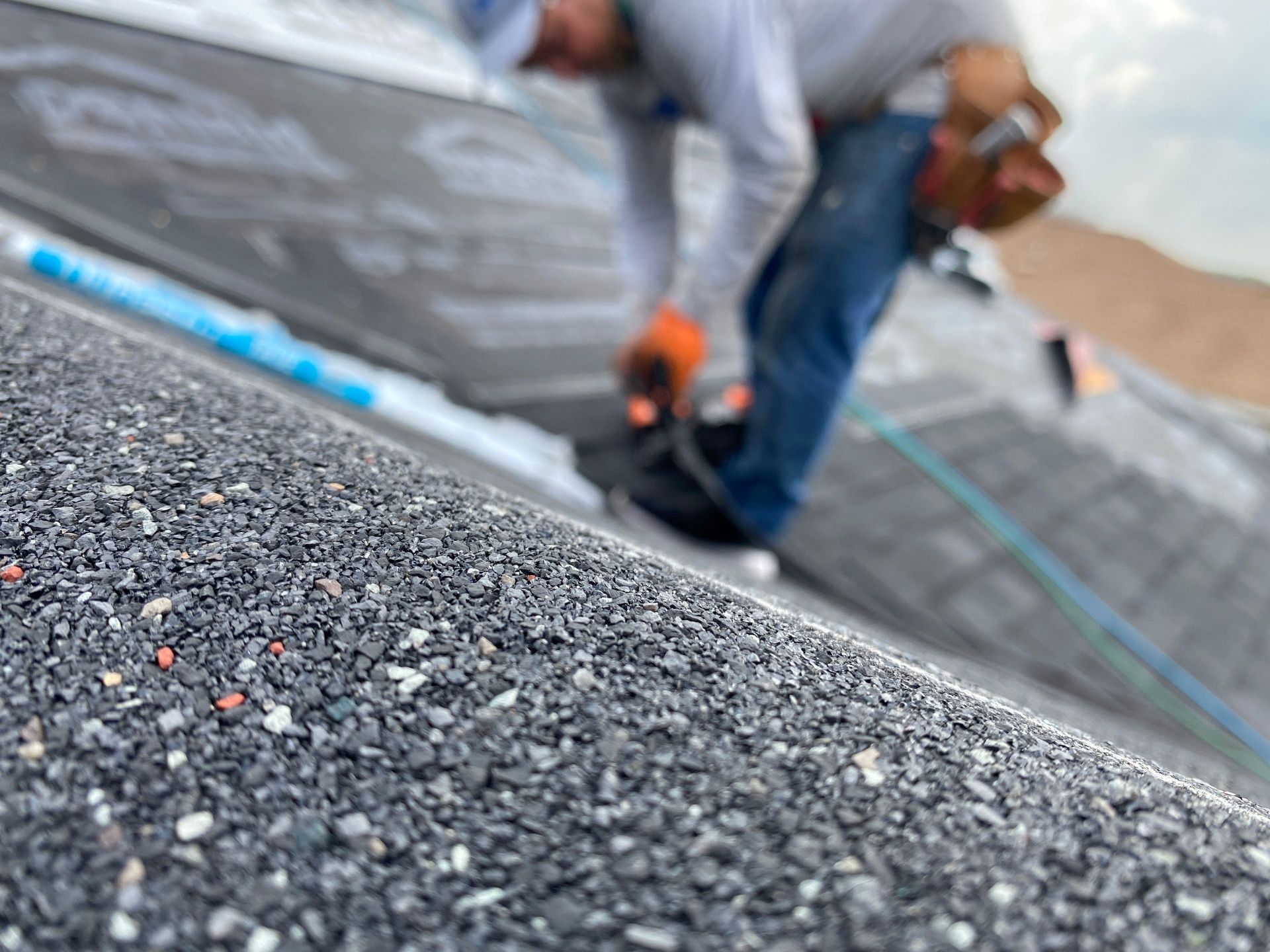
What Changes After Leak Repairs Are Completed
Successful leak repair stops water from entering your home's interior envelope, which means attic insulation remains dry, ceiling stains stop expanding, and musty odors from trapped moisture disappear as affected areas dry out. The specific repair approach depends on the leak source—pipe boot replacement involves removing shingles around plumbing vents, installing new rubber or lead boots that seal tightly around pipe diameter, and reinstalling shingles with proper overlap that directs water away from the penetration. Valley repairs require removing shingles along both sides of the valley channel, installing new ice-and-water barrier, placing properly shaped valley metal, and weaving or cutting shingles to create watertight edges.
You'll notice that interior water stains stop growing, dripping sounds during rain events cease, and attic spaces show no new moisture accumulation when inspected after storms. Repaired flashing around chimneys creates continuous metal protection that prevents water from reaching the mortar joints where brick meets roofing, and sealed pipe penetrations shed water across boot surfaces without allowing any moisture to travel down pipe exteriors into attic spaces.
Emergency leak response matters because water damage accelerates rapidly—what starts as minor ceiling discoloration becomes saturated drywall, mold growth, and compromised structural framing within weeks if the leak source isn't sealed. Quick repairs limit damage to the immediate leak area rather than allowing water to spread along roof decking and down wall cavities where remediation becomes far more extensive and costly.
Common Questions About This Service
Homeowners dealing with roof leaks want to understand how water travels through roofing systems and why leak sources aren't always directly above visible interior damage.
Why do leaks appear in different interior locations than the actual roof damage?
Water enters through the roof failure point but travels along roof decking, rafters, or ceiling joists before dripping into visible interior spaces—sometimes appearing several feet away from the actual penetration. This means ceiling stains only indicate general leak areas, not precise roof damage locations.
What causes pipe boots to fail and allow leaks?
Rubber pipe boots deteriorate from constant UV exposure and temperature extremes that cause cracking around the pipe collar, while lead boots develop holes from metal fatigue and corrosion. In Tillsonburg's climate, freeze-thaw cycles accelerate this deterioration by causing repeated expansion and contraction that breaks material bonds.
How do you locate hidden leaks that only appear during heavy rain?
Intermittent leaks often result from wind-driven rain that forces water under shingles or through small flashing gaps that don't leak during typical rainfall. Detection involves examining potential entry points during active rain events or using water testing to simulate storm conditions and reveal the precise failure location.
Why does valley metal need replacement rather than just sealing?
Valleys concentrate water flow from two roof planes, creating high-volume runoff that exploits any imperfection in valley metal—sealant alone fails quickly under this constant water pressure. Proper valley repair requires continuous metal channels without seams or gaps, installed over ice-and-water barrier that provides secondary protection.
What prevents repaired leaks from recurring in the same location?
Repairs that address underlying causes rather than symptoms—replacing deteriorated flashing entirely instead of patching, installing ice-and-water barrier beneath new materials, and mechanically fastening components instead of relying on sealant—create permanent solutions that match or exceed original installation quality.
PBW Rooftops responds to leak emergencies throughout Tillsonburg and provides detailed diagnosis that identifies exact failure points before beginning repair work. Schedule a leak detection service to stop active water intrusion and prevent the escalating damage that occurs when moisture problems go unaddressed.