
Metal Systems That Outlast Shingle Lifecycles
Steel Roofing in Tillsonburg for homeowners prioritizing longevity, energy efficiency, and reduced maintenance requirements
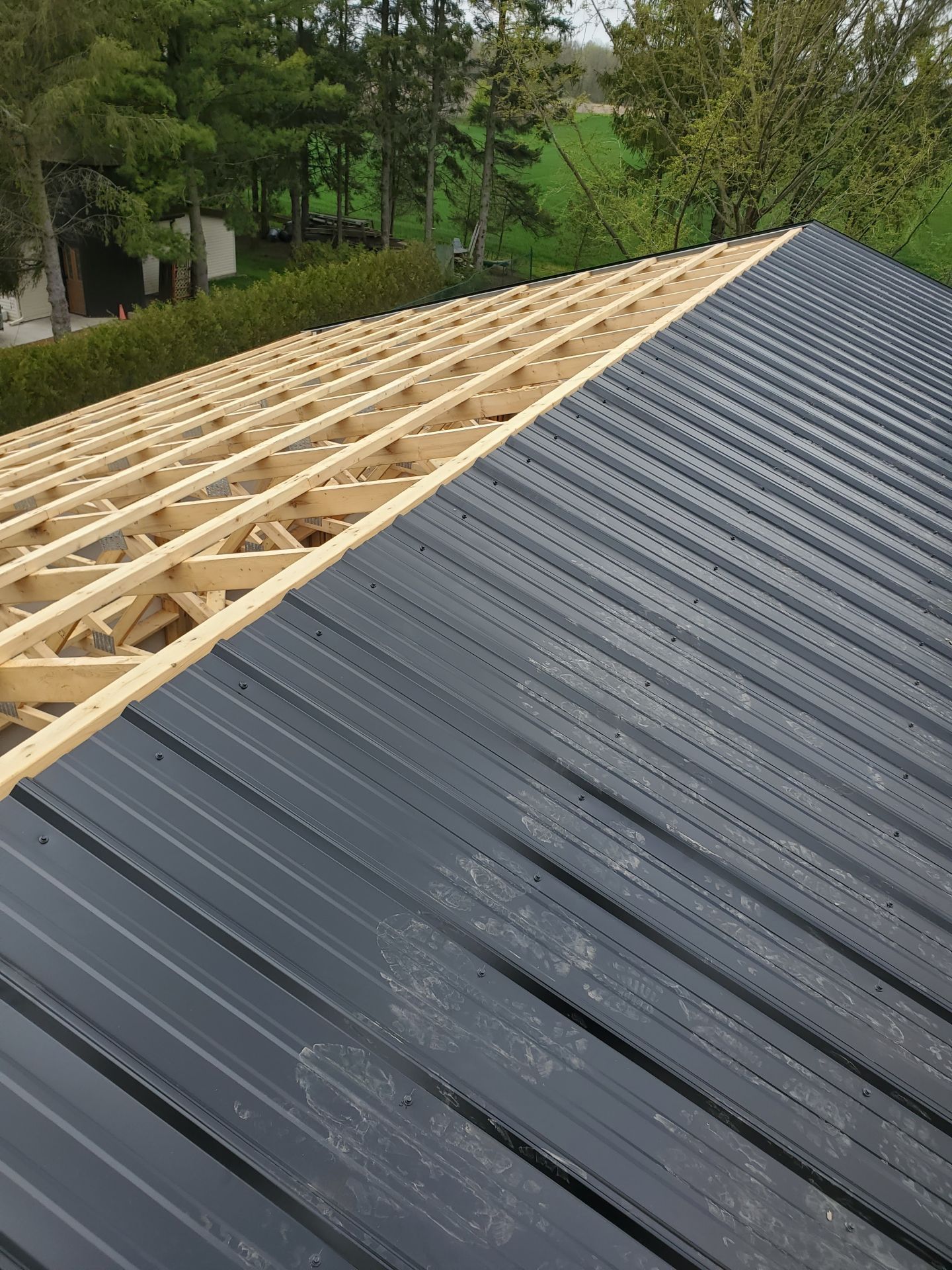
Steel roofing in residential applications provides functional advantages that become apparent over decades rather than years: the material does not deteriorate from UV exposure the way asphalt shingles do, snow slides off the smooth surface rather than accumulating to create load stress, and factory-applied finishes resist rust while reflecting solar heat that would otherwise transfer into attic spaces. PBW Rooftops installs standing seam metal roofing and exposed fastener systems in Tillsonburg for homes where owners calculate total cost across the roof's entire service life rather than focusing solely on initial installation expense. You notice the difference immediately in how weather interacts with the roof surface, and the difference compounds year after year as metal maintains its integrity while shingle roofs around the neighborhood begin showing age.
Metal roof installation requires different fastening techniques than shingle work: standing seam panels interlock at raised ribs and attach through concealed clips that allow thermal expansion, while exposed fastener systems use specialized screws with neoprene washers driven through the panel face into purlins or solid decking. Proper installation accounts for expansion and contraction that occurs as metal heats and cools through daily and seasonal temperature swings.
Arrange an on-site consultation to evaluate whether your roof structure requires reinforcement for metal installation and discuss panel profile options.
Why Metal Roofing Works for Residential Applications
Standing seam systems create clean horizontal lines across the roof with raised vertical seams spaced sixteen or twenty-four inches apart, while exposed fastener panels offer lower material cost with a visible fastener pattern that some homeowners prefer for its utilitarian appearance. Both systems handle snow load without the ice damming problems common with shingle roofs, since the metal surface does not provide the texture variation where ice can anchor during freeze-thaw cycles.
Your home stays cooler during summer because reflective coatings bounce solar radiation instead of absorbing it into the roof structure, which reduces attic temperatures and lowers cooling costs throughout the season. Maintenance drops to nearly zero since metal does not support moss or algae growth, resists impact damage from hail and branches, and maintains its appearance without the granule loss and color fading that affects shingles after fifteen to twenty years of exposure.
Energy savings accumulate over the roof's lifespan as reduced cooling load compounds year after year, and the extended service life means you avoid the expense and disruption of roof replacement that becomes necessary when shingle systems reach the end of their functional period. Rust-resistant finishes include warranties that cover coating integrity for thirty to forty years, and the steel substrate itself lasts fifty years or longer when properly installed with adequate ventilation to prevent condensation buildup on the underside of panels.
What Property Owners Usually Ask
These questions come up frequently when homeowners consider transitioning from shingle to steel roofing systems in the Tillsonburg region.
What noise differences occur during rain or hail events with metal roofing?
Solid deck installation with adequate insulation dampens sound transmission to levels comparable to shingle roofs, though metal does produce more audible impact noise during hail storms when installed over open framing without sound-deadening underlayment.
How do standing seam and exposed fastener systems compare in cost and performance?
Standing seam panels cost thirty to fifty percent more than exposed fastener products but eliminate the maintenance concern of fastener seal degradation over time, since concealed clip attachment isolates the panel surface from penetrations that can eventually leak as washers deteriorate.
When does existing roof structure need reinforcement for metal installation?
Metal roofing weighs less than architectural shingles in most cases, so structural concerns typically arise only on older homes with undersized rafters or compromised framing rather than from the metal material itself adding excessive load.
What finish options affect appearance and energy efficiency?
Light colors reflect more solar radiation and provide greater cooling benefits, while darker finishes absorb heat but create visual contrast that some architectural styles require, and matte finishes reduce glare compared to high-gloss coatings that maximize reflectivity.
How does metal roofing perform during Ontario winter conditions?
Snow sheds naturally from the smooth surface once bottom layers begin melting, which prevents the load accumulation that stresses shingle roofs, though sudden snow slides require gutter protection or strategic placement of snow guards near entry areas where falling snow could create safety hazards.
PBW Rooftops provides material samples and panel profile comparisons so you can evaluate how different metal roofing systems complement your home's architectural style and meet your performance priorities. Set up a property assessment to discuss panel options and installation details specific to your roof configuration.