

Roofing That Stops Minor Damage Early
Roof Repair Services in Tillsonburg for leaks, missing shingles, and flashing failures before replacement becomes necessary
PBW Rooftops handles roof repairs in Tillsonburg, Ontario, addressing damage that threatens roof integrity before small problems escalate into full replacement projects. You need repair work when you notice missing shingles after windstorms, water stains on interior ceilings, or visible gaps around chimneys and vents. Addressing these issues immediately prevents water intrusion from spreading through roof decking and insulation layers.
Roof repair involves identifying the specific failure point—whether that's lifted shingles exposing underlayment, deteriorated flashing allowing water past seals, or damaged vent boots that let moisture into attic spaces. Each repair type requires different materials and techniques, from replacing individual shingles and resealing nail lines to fabricating custom flashing pieces that match existing metal profiles around chimneys and skylights.
Schedule a roof assessment to identify damage locations and determine whether targeted repairs will restore full weather protection.
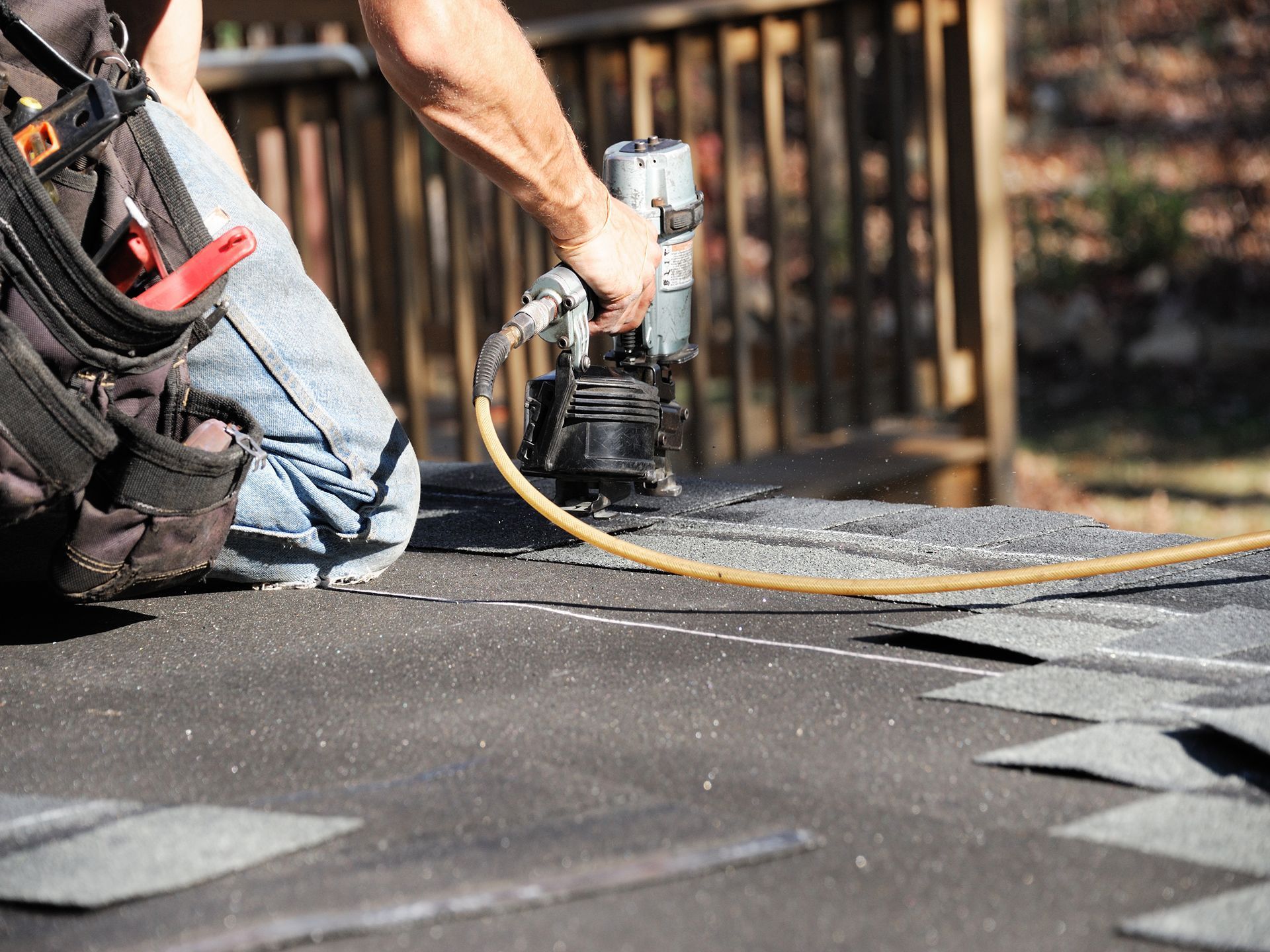
What Proper Roof Repairs Require
Effective repairs match existing roofing materials and address underlying causes rather than just covering visible symptoms. When flashing fails around a chimney, simply applying sealant over rust holes doesn't stop water from running beneath shingles during heavy rain—the metal itself needs replacement with properly bent step flashing that directs water down and away from the structure. Missing shingles get replaced by lifting surrounding shingles to slide new pieces into position and securing them without breaking the seal pattern that keeps wind from getting underneath.
After repairs are completed, you'll see restored alignment where shingles were missing, sealed joints around all flashing points, and no exposed nail heads or gaps where water previously entered. PBW Rooftops ensures repairs blend with existing roofing so patched sections don't stand out visually or create weak points that fail again during the next storm cycle. Interior water stains stop expanding, attic insulation remains dry, and roof decking no longer shows moisture damage when inspected from below.
Preventative repairs extend roof life by replacing worn components before they fail completely—addressing curling shingle edges before wind tears them off, resealing pipe boots before cracks let water through, and reinforcing valley metal before ice buildup bends it out of position. These interventions cost significantly less than emergency repairs performed after water has already damaged interior finishes and structural framing.
Questions Before Starting Your Project
Homeowners in Tillsonburg often want to know how repairs differ from full replacement and what determines the right approach for their specific damage.
What determines whether a roof needs repair or full replacement?
Repair works when damage is localized to specific areas and the surrounding roofing material still has adequate life remaining—typically when less than thirty percent of the roof surface shows wear or failure. Replacement becomes necessary when shingles across multiple roof planes show granule loss, curling, or brittleness that indicates the entire system has reached the end of its functional lifespan.
How do you match shingles on older roofs during repair work?
Matching involves identifying the original shingle manufacturer and product line, then sourcing the closest available color and texture since exact matches become difficult as product lines change over time. When perfect matches aren't available, shingles get placed on less visible roof planes or blended gradually to minimize visual contrast.
Why does flashing fail around chimneys and vents?
Flashing deteriorates because temperature cycling causes metal to expand and contract repeatedly, eventually cracking sealant bonds and developing rust holes in galvanized steel or corrosion in aluminum. Proper replacement uses ice-and-water barrier beneath new metal and mechanically fastens flashing into mortar joints rather than relying solely on sealant.
What happens if small leaks aren't repaired quickly?
Water travels along roof decking and rafters before dripping into visible interior spaces, so small leaks saturate insulation and wood framing long before ceiling stains appear. This hidden moisture causes mold growth, wood rot, and structural weakening that requires far more extensive repairs than simply fixing the original roof penetration.
How long do roof repairs typically last once completed?
Well-executed repairs using quality materials last as long as the surrounding original roofing—often ten to fifteen years when the existing roof is in good overall condition. Repairs fail prematurely only when mismatched materials are used or when underlying structural issues like inadequate ventilation aren't addressed during the repair process.
PBW Rooftops provides detailed repair assessments that identify all current damage points and recommend the most cost-effective approach based on your roof's overall condition. Contact our team to arrange an inspection that documents specific repair needs and prevents minor issues from becoming structural problems.