

Roofs Maintained to Prevent Replacement Costs
Roof Maintenance & Inspections in Tillsonburg for extending roof life and identifying damage before repairs become urgent
Routine maintenance catches deterioration in early stages when repairs remain simple and inexpensive. PBW Rooftops provides scheduled roof maintenance programs in Tillsonburg, Ontario, that remove debris from valleys and gutters, seal minor cracks before they spread, and document changing roof conditions through annual inspections. Properties with mature trees, homes in areas with frequent freeze-thaw cycles, and roofs approaching ten years of age benefit most from structured maintenance that prevents accelerated wear.
Inspections involve walking the entire roof surface to check shingle adhesion, examining flashing for separation or corrosion, clearing debris that traps moisture against roofing materials, and testing sealant integrity around all penetrations. Maintenance includes minor interventions like resealing exposed nail heads, replacing individual damaged shingles, and clearing blocked roof vents that reduce attic airflow and cause heat buildup.
Arrange an annual inspection to establish a baseline roof condition report and identify maintenance priorities before seasonal weather arrives.
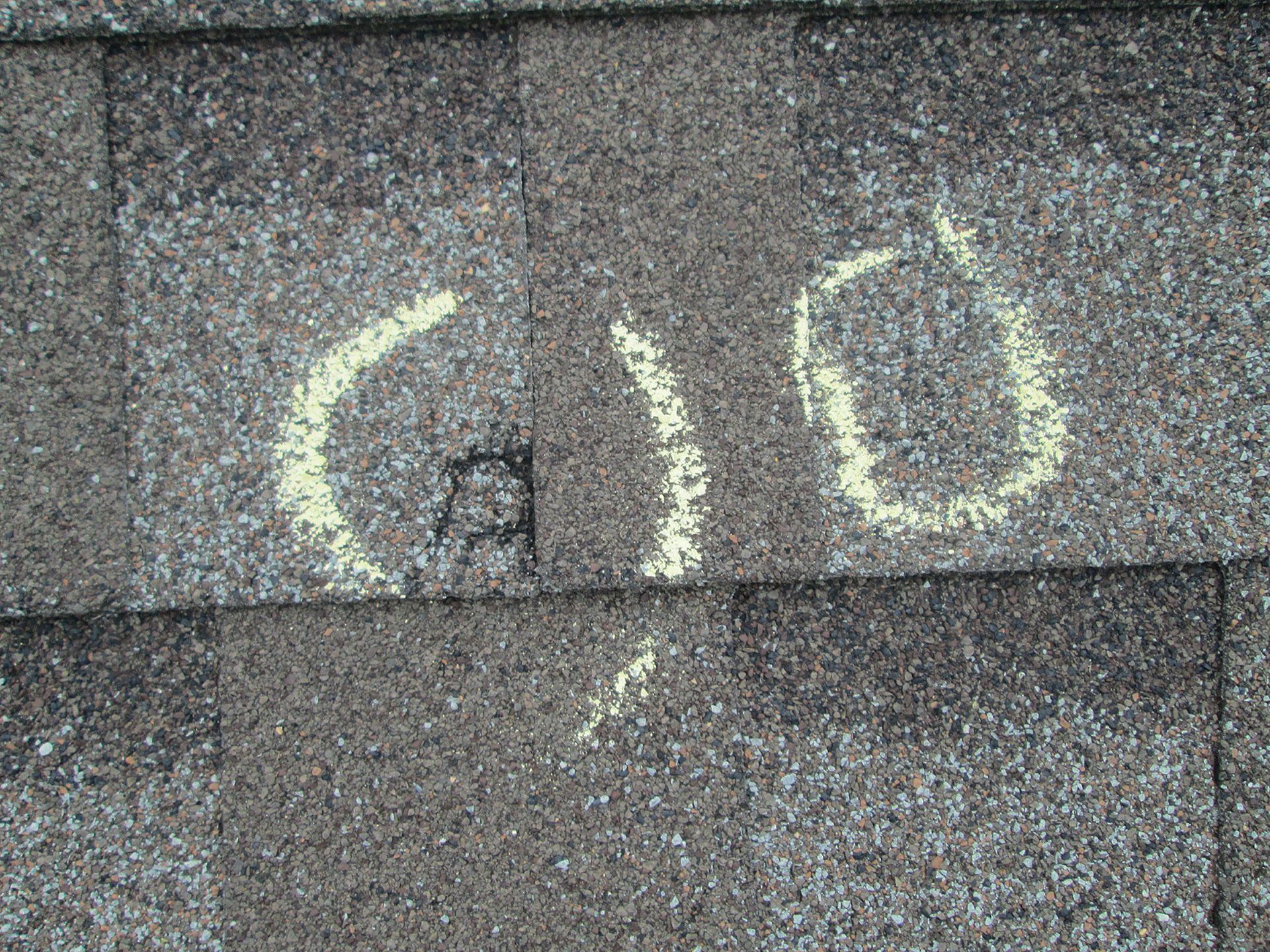
How Maintenance Programs Address Common Failure Patterns
Scheduled maintenance targets the specific failure patterns that shorten roof life in Ontario's climate—ice dam formation along eaves during winter, granule loss from UV exposure during summer, and moss growth in shaded sections that retain moisture year-round. Debris removal prevents organic material from decomposing against shingles and holding water in contact with roofing long after rain stops. Clearing valleys where leaves accumulate stops standing water from backing up under shingle edges and rotting the underlying felt paper.
After maintenance visits, you'll notice clean roof valleys free of leaf buildup, intact sealant around all roof penetrations, and no lifted shingle edges that catch wind. Gutters drain freely without overflow during heavy rain, attic ventilation operates without blockages, and roof surfaces shed water immediately rather than holding puddles in low spots. These functional improvements reduce the stress cycles that cause premature shingle failure and extend overall roof life by preventing the conditions that accelerate material breakdown.
Condition reports generated during inspections document specific concerns like areas of granule loss, damaged flashing locations, and sections where shingles show early curling—providing a maintenance roadmap that prioritizes repairs based on urgency and prevents surprise failures. This documentation also supports warranty claims and helps property owners budget accurately for future roofing work based on measured deterioration rates rather than guesswork.
Answers to Frequent Service Questions
Property owners typically want to understand what maintenance involves and how often inspections should occur based on roof age and exposure conditions.
How often should roofs be professionally inspected?
Annual inspections work well for most residential roofs, with additional checks recommended after severe weather events like windstorms or heavy snow loads that may have caused damage. Roofs older than fifteen years or those with known issues benefit from twice-yearly inspections to monitor deterioration rates and plan replacement timing.
What specific problems does debris removal prevent?
Accumulated leaves and organic material trap moisture against shingles, creating conditions where algae and moss grow and break down asphalt protective layers. In Tillsonburg's climate, this trapped moisture also freezes during winter, expanding and contracting in ways that lift shingle edges and crack sealant bonds around flashing.
Why do some roof sections wear faster than others?
South-facing roof planes receive more direct sunlight and experience faster UV degradation, while shaded north-facing sections develop moss growth from extended moisture exposure. Valleys concentrate water flow and wear more quickly than ridge areas, and roof penetrations like vents create seal points that require more frequent maintenance than open shingle fields.
What gets included in a roof condition report?
Reports document shingle condition across all roof planes, flashing integrity around chimneys and vents, gutter attachment and drainage function, attic ventilation adequacy, and any visible signs of water intrusion or structural concerns. Photographic documentation shows specific problem areas and provides comparison points for future inspections.
How does maintenance affect roof warranty coverage?
Many shingle manufacturers require documented maintenance to maintain warranty validity, particularly for warranties extending beyond basic material defect coverage. Regular professional maintenance demonstrates proper care and can support claims if premature failure occurs due to manufacturing issues rather than neglect.
PBW Rooftops develops maintenance schedules tailored to your roof's age, material type, and exposure conditions, ensuring inspections occur at intervals that catch problems early without unnecessary visits. Request a maintenance plan consultation to establish a service schedule that protects your roofing investment and prevents avoidable damage.